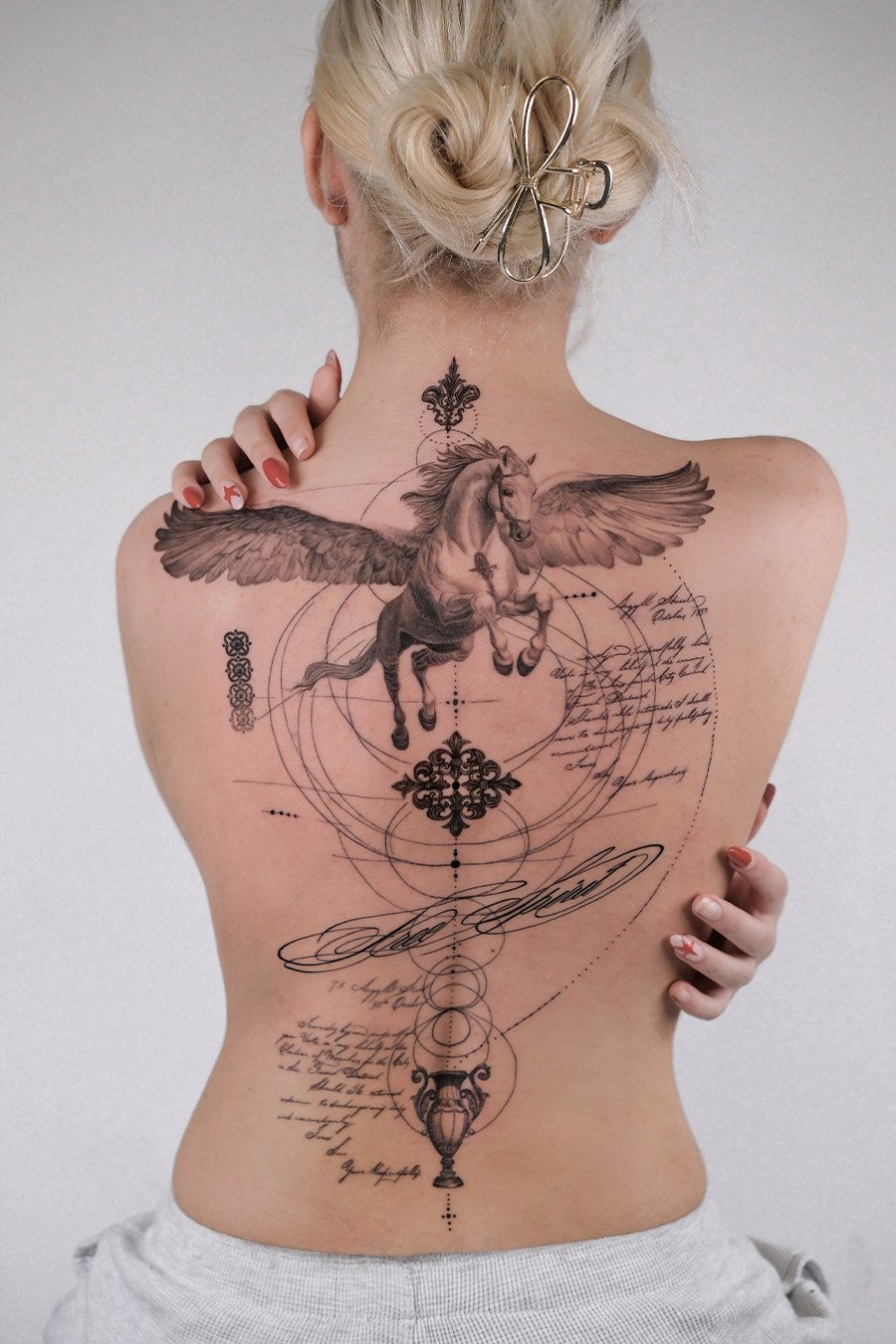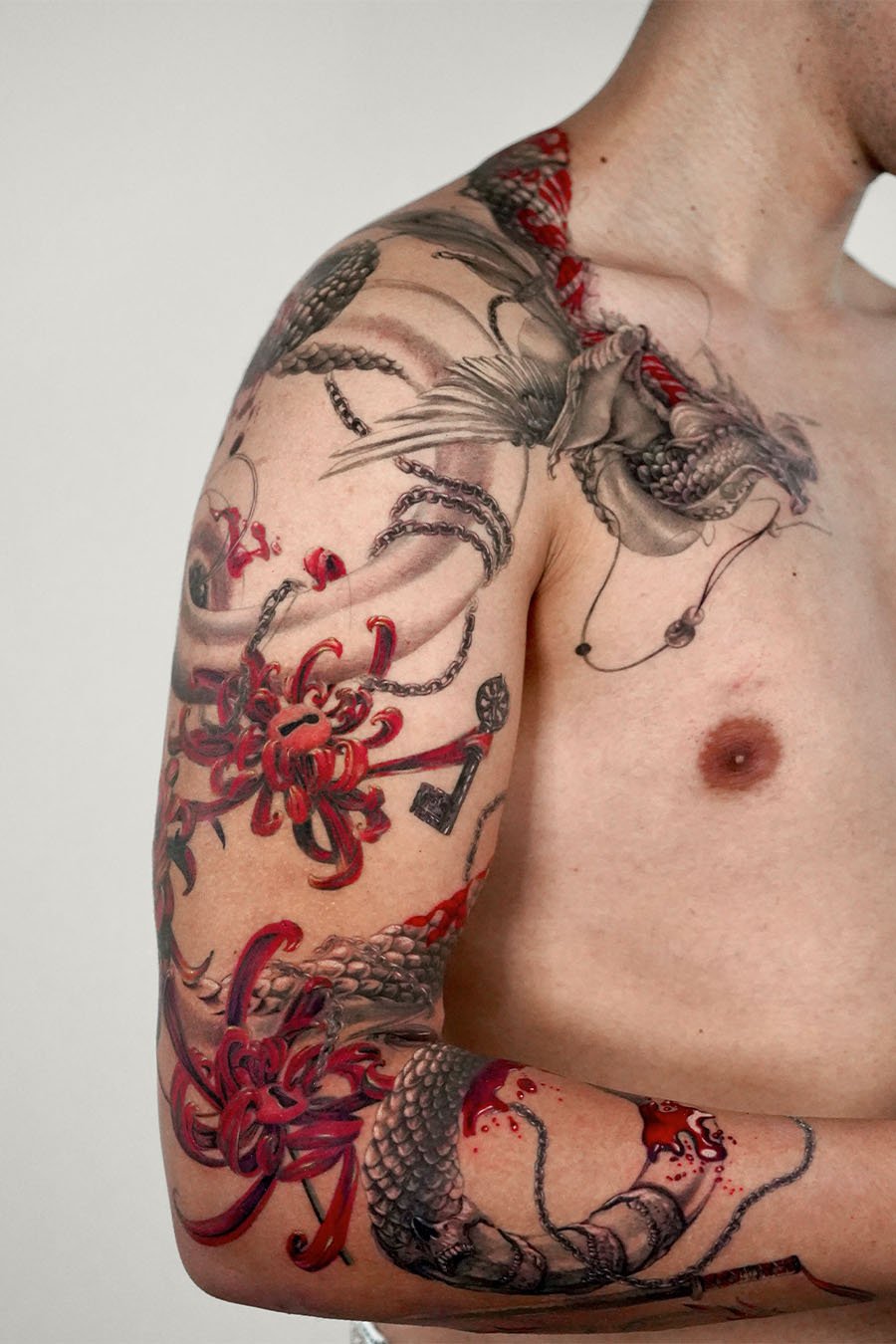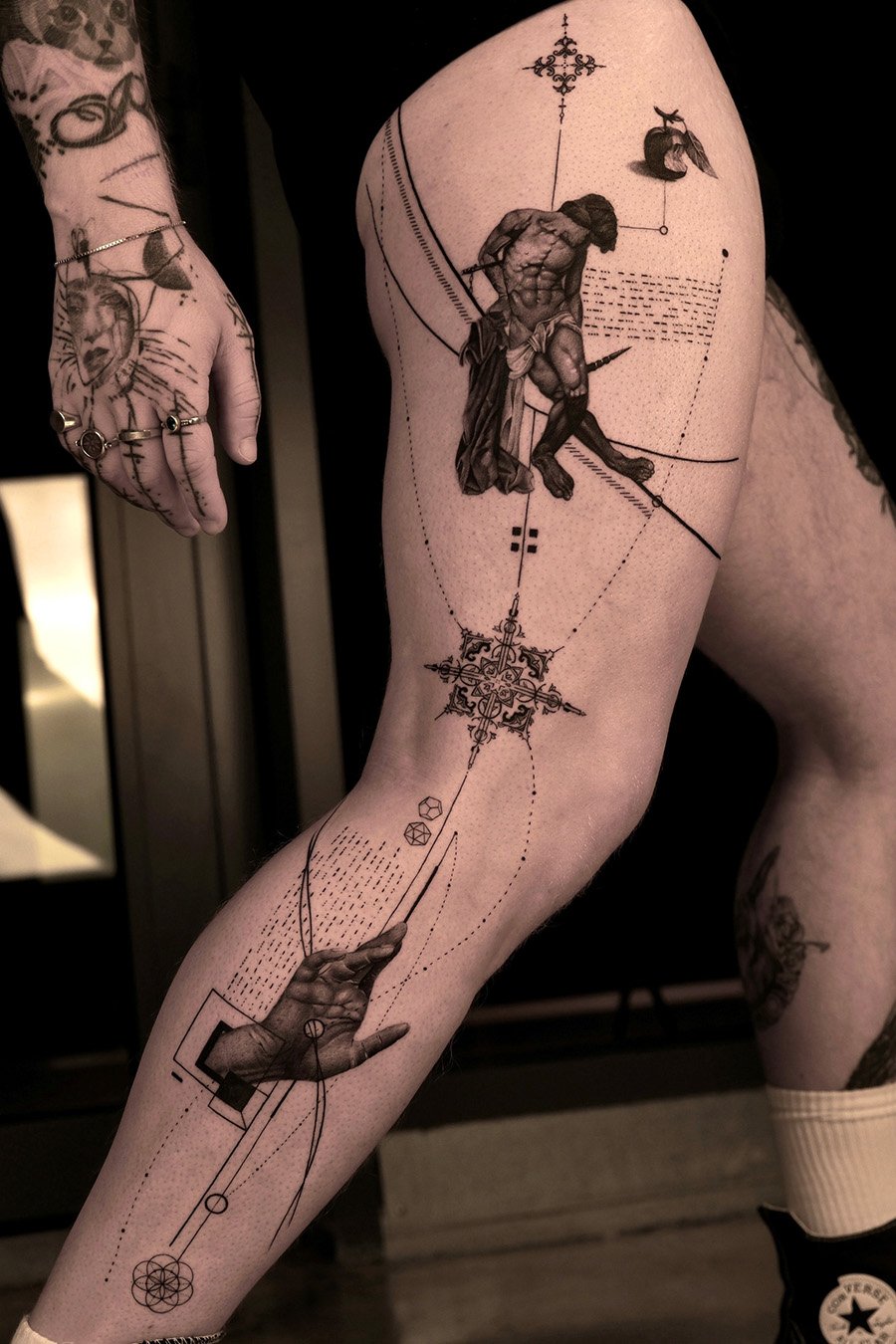
Imagine carrying a photorealistic portrait of your beloved pet, a detailed renaissance sculpture, or a complex landscape-all contained within an area no larger than a credit card. This is the magic of micro realism tattooing.
In the past decade, the tattoo industry has seen a massive shift away from the bold outlines and saturated colors of traditional styles towards something softer, smaller, and impossibly intricate. Micro realism is not just a trend; it is a testament to how far tattoo technology and artistic skill have evolved. It is the art of translating the complex world into miniature form on the human body.
However, creating these tiny masterpieces requires a completely different skillset than standard tattooing. It is a game of precision, patience, and a deep understanding of how skin ages.
The Technique: Painting with a Single Needle
Traditional tattooing often uses large needle groupings to pack in color quickly. Micro realism, on the other hand, relies heavily on fine line techniques, often using "single needles" (the smallest needle configuration available) to achieve needle-point accuracy.
Think of it as the difference between painting a wall with a roller versus painting a miniature portrait on a grain of rice. The margin for error is practically non-existent. A line that is a millimeter too thick can ruin the entire perspective of a micro piece.
Artists specializing in this style must have incredibly steady hands and a mastery of soft shading. They build up tones gradually, layer by layer, to create depth and texture without traumatizing the skin. This is why a tattoo the size of a coin might take as long to execute as a palm-sized traditional piece. The artist isn't just drawing outlines; they are rendering shadows, highlights, and textures in microscopic detail.
The Challenge of Longevity: Designing for the Future
The biggest criticism-and challenge-of micro realism is longevity. It is a biological fact that over time, tattoo ink migrates slightly under the skin. Macrophages (immune cells) slowly break down ink particles, causing lines to soften and spread naturally over years.
In a large, bold tattoo, this slight spreading is barely noticeable. In a micro tattoo, where details are separated by fractions of a millimeter, this spreading can be disastrous. If the details are packed too tightly together, they will eventually blur into an unrecognizable dark blob in five to ten years.
Therefore, a skilled micro realism artist doesn't just copy a photograph onto your skin. They interpret it. They know exactly which details are essential to capture the essence of the image and which details must be sacrificed for the sake of longevity. They use "negative space" (skin with no ink) strategically to allow the tattoo room to breathe and age gracefully. The art is knowing what not to tattoo as much as what to tattoo.
Why Specialization Matters
Because of these technical hurdles, micro realism is not a style every tattoo artist can, or should, attempt. It requires specific training and a dedicated portfolio.
When choosing an artist for a micro realism piece, do not just look at the fresh photo taken immediately after the session. Fresh tattoos always look crisp. Ask to see "healed" photos-pictures taken months or years later. A healed photo is the true test of an artist's technical ability to implant ink correctly at this tiny scale.
At our studio, our artists specialize in this delicate balance. We understand the science of skin and the art of miniaturization, ensuring that your tiny piece of art remains beautiful not just today, but for years to come.