Congratulations on your new tattoo! You’ve endured the needle, and now you’re wearing a beautiful piece of art. However, walking out of the studio is not the end of the process; it is actually the beginning of a crucial partnership between you and your skin.
A fresh tattoo is, technically, an open wound. How you treat it over the next few weeks will determine how bright, sharp, and clean it looks for the rest of your life. Even the most perfectly executed masterpiece can be ruined by poor aftercare.
Healing is not a linear event; it’s a journey with distinct stages. While every body heals differently, and your specific artist may give you custom instructions based on the placement and style of your tattoo, this guide covers the universal milestones of the healing process.
Phase 1: The First 24 to 48 Hours (The Critical Window)
The first few hours are vital for preventing infection. When you leave the studio, your tattoo will likely be wrapped in a protective film or bandage.
The Unwrapping: Listen to your artist about when to remove this bandage. Typically, if it’s standard cling film, you’ll keep it on for 2-4 hours. If it’s a "second skin" medical adhesive (like Saniderm), it might stay on for up to 24 hours or more.
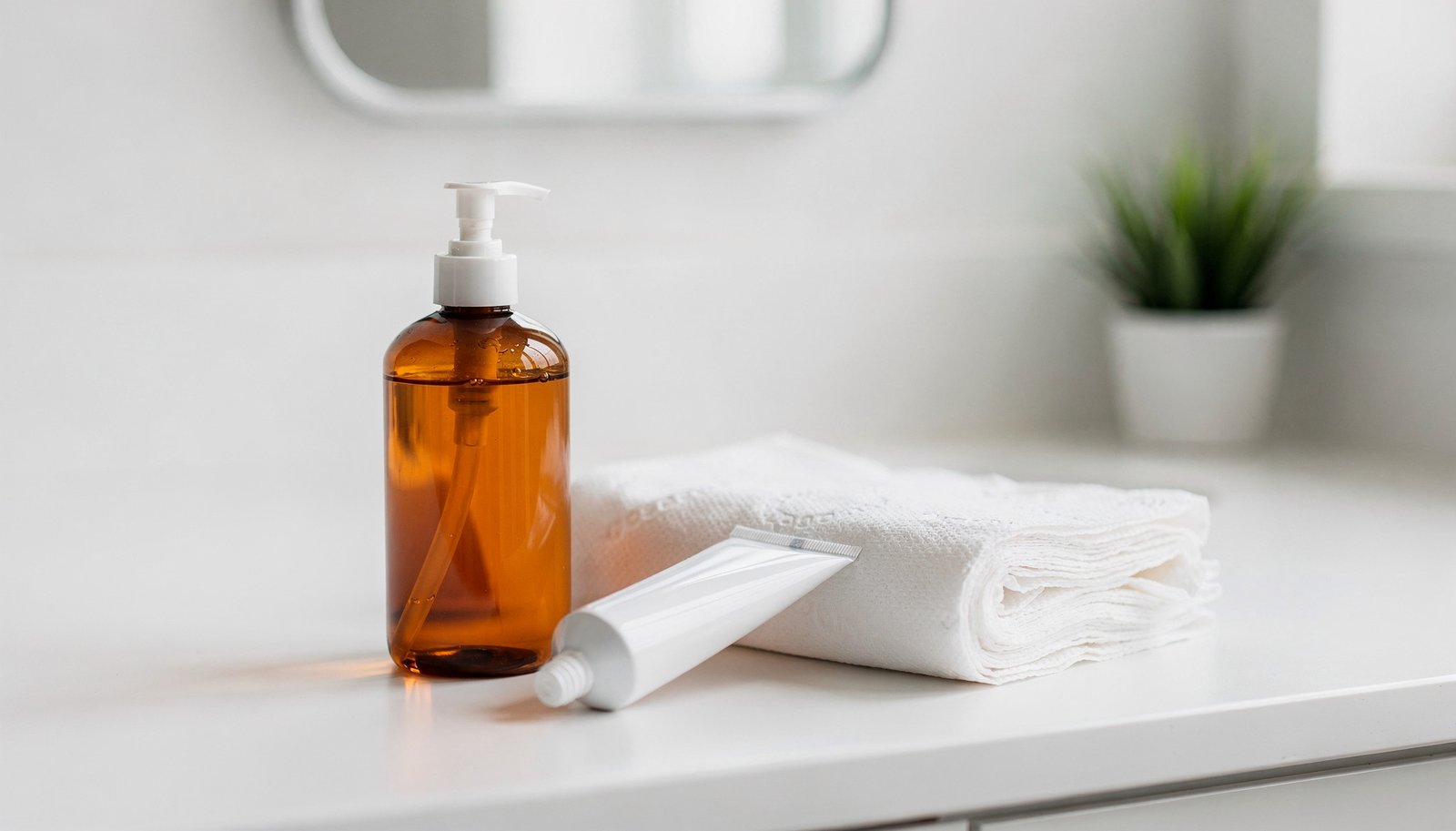
The First Wash: Once the wrap is off, it’s time to clean. This is the most important wash. Using lukewarm water and fragrance-free, antibacterial liquid soap, gently wash the area with your fingertips. Never use a washcloth or sponge, as these harbor bacteria and are too abrasive. You might see plasma, excess ink, and blood washing away-this is completely normal.
Drying and Moisturizing: Pat the area dry with a clean, disposable paper towel. Do not rub. Cloth towels can leave lint and bacteria on the raw skin. Once dry, let it breathe for a few minutes. If your artist recommends it, apply a very thin layer of a specialized tattoo ointment. The keyword is thin; your skin needs to breathe to heal. If it looks shiny or wet, you’ve applied too much.
Phase 2: Days 3 to 7 ( The Itch and The Peel)
By day three or four, the initial redness and soreness should subside, and you will enter the infamous "ugly phase." This is where many first-timers panic, but trust us, it is part of the process.
The Peeling: Your tattoo will start to peel, similar to a sunburn. You might see colored flakes of skin falling off. This is terrifying to watch, but do not worry-the ink is safely trapped in the dermis (the deeper layer of skin). The shedding is just the dead epidermis layer.
The Itch: As the skin regenerates, it will itch. It might itch intensely. Under no circumstances should you scratch or pick at your tattoo. Scratching can pull the ink out, cause scarring, and leave permanent blank spots in your design. If the itching is unbearable, lightly slap the area or apply a small amount of fragrance-free moisturizer to soothe it.
During this week, keep the tattoo clean and moisturized, but don't overdo the lotion. Over-moisturizing can clog pores and cause breakouts on the tattoo.
Phase 3: Week 2 and Beyond (Settling and Long-Term Care)
By the second week, the heavy peeling should stop. Your tattoo might look slightly milky, cloudy, or dull. This is known as "silver skin"-a fresh, thin layer of skin growing over the ink. As this layer heals and thickens over the next few weeks, the vibrancy of the ink will return.
Submerging Water Warning: Until the tattoo is fully peeled and healed (usually 2-4 weeks), avoid swimming pools, the ocean, hot tubs, and soaking in bathtubs. Bacterial infection is a real risk in standing water. Stick to showers.
The Sun is the Enemy: UV rays are the number one killer of tattoos. While your tattoo is healing, keep it covered with loose clothing and out of direct sunlight. Once it is fully healed, your best friend is a high SPF sunscreen. Sun damage breaks down the ink particles over time, causing lines to spread and colors to fade.
Remember, healing takes patience. Treat your body well, stay hydrated, and if you notice anything unusual like excessive redness, heat, or oozing after the first few days, contact your artist immediately.